

Charging that works alongside everything else in your home
An EV charger is more than a high-power socket. A good installation starts at the meter: what your contracted capacity is (the maximum power agreed with your electricity distributor), what the distribution board and the cable can handle, what happens when the heat pump, the oven and the car all draw power at the same time – and how the car can still be charged by the time you need it.
MindzenSmart installs smart wallboxes in Budapest and the surrounding area for family houses, apartment building car parks and business sites – from the survey through installation to integration. We treat the dedicated electrical circuit, the required protection, metering, load management, the solar connection and smart home integration as one system.
What problem does it solve?
A well-planned charger installation can help you:
- have the car charged by the time you need it, without overloading the main fuse
- make the most of the available capacity with dynamic load management
- put your solar surplus to targeted use
- share power and keep a record of charging sessions when several cars and users rely on it
- set up metering and billing in an apartment building or business setting
- prevent unauthorised use with RFID, mobile or other identification
- make charging, building management and the smart home work together
A charger can only do as much as the grid behind it allows. If your contracted capacity is too low, even the smartest charger can't make up for it – at best, it can share it out well.
Good to know: installing an EV charger is skilled electrical work. It needs a dedicated, correctly sized circuit and the protection specified for the charger; charging long-term from a household socket, an extension lead or undersized wiring is risky.

Who is this service for?
- Family houses, where charging needs to adapt to the house’s current consumption, the solar panels and your daily routine
- Apartment buildings and residential parks, where the parking space, metering, cable route, billing and the owners’ joint decision together shape the solution
- Business sites, offices and guest accommodation, where charging for several vehicles and users needs to be shared, recorded or billed
- Anyone who already has a charger but no load management, can’t make good use of the grid capacity, or is missing the solar and smart home connection
What do we survey?
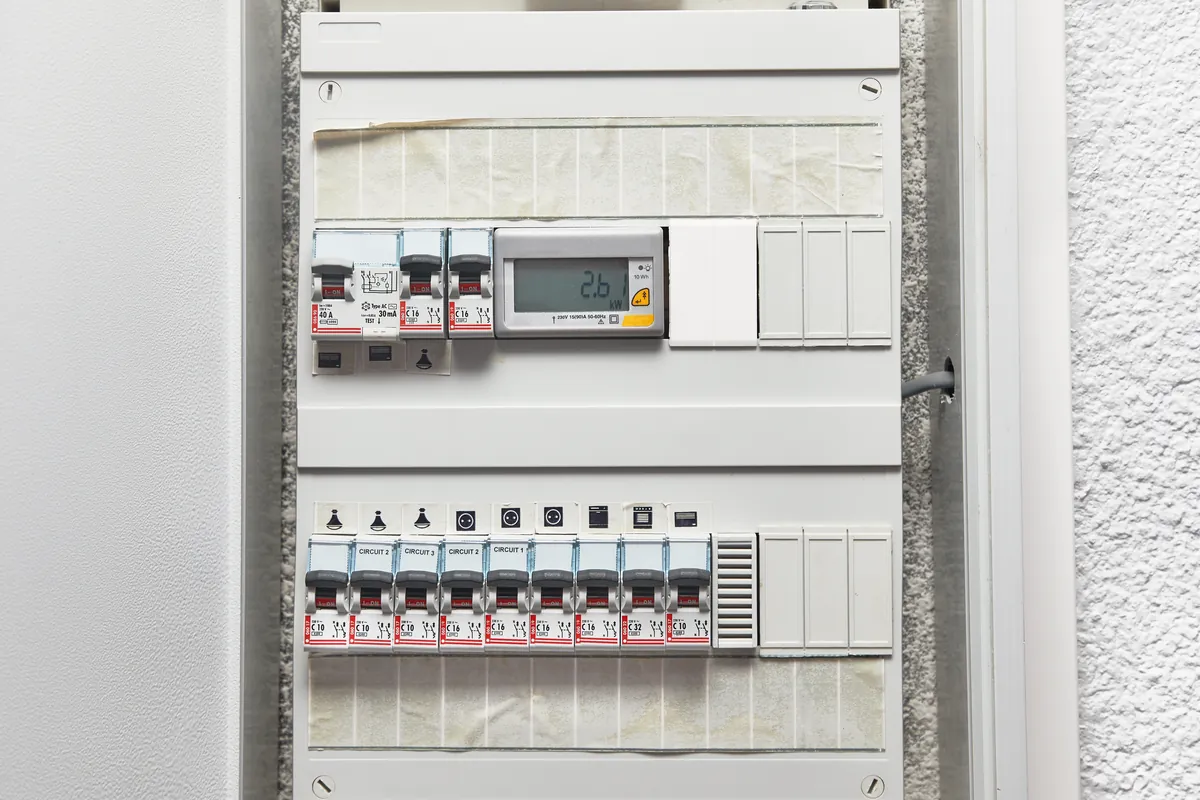
- Your contracted capacity and the condition of the meter point and main distribution board
- The single- or three-phase supply and the load on each phase
- The cable route, length, cross-section and protection
- The required circuit, residual current and surge protection
- Exposure to weather and mechanical damage at the charger location
- The heat pump, air conditioning, water heater, oven and other large loads
- The solar inverter, metering and the energy data available
- The Ethernet, Wi-Fi or mobile network connection
- Who will use it, and your needs for identification, billing and future expansion
What does the service include?
- Initial consultation about your car, the location and your charging habits
- On-site electrical and system survey, from the meter point to the planned charger location
- System proposal covering the charger, power, load management, solar integration and identification
- Itemised quote covering the charger, cabling, protection, metering and configuration
- Installation and testing, with a dedicated circuit, mounting, connection and the required checks
- Configuration and integration: network connection, load management, users and the smart home connection
- Functional test, user training and documentation
- Optional follow-up with periodic inspections or additional charging points
Prices
The package prices below are gross "from" prices for a simple family-house installation. They include the charger, the meter where it is part of the package, up to 5 m of cabling in surface-mounted protective trunking, the pre-assembled IP65 protection box with a residual current device and miniature circuit breaker, connection, commissioning, app setup and handover. If the charger has built-in 6 mA DC fault current detection, we fit a Type A residual current device; if not, Type B is required – we check this for each model.
The single-phase package (Lektri.co ONE Safe) is priced for a 1×32 A (7.4 kW) connection, and the other packages – unless stated otherwise – for a 3×16 A (11 kW) connection. For a 22 kW connection, the thicker cable and larger circuit breaker add approx. HUF 3,000; a box fitted with surge protection is available for approx. HUF 30,000 extra. For a longer cable route, chasing into walls, underground cable, alterations to the main distribution board or a capacity increase, we give you an itemised quote after the site survey.
European-developed chargers: the chargers offered here are developed by Norwegian, Swedish, Hungarian, Romanian and Spanish manufacturers, and the entry-level Vestel is developed in-house by a Turkish manufacturer.
| Package | Typical contents | Gross price |
|---|---|---|
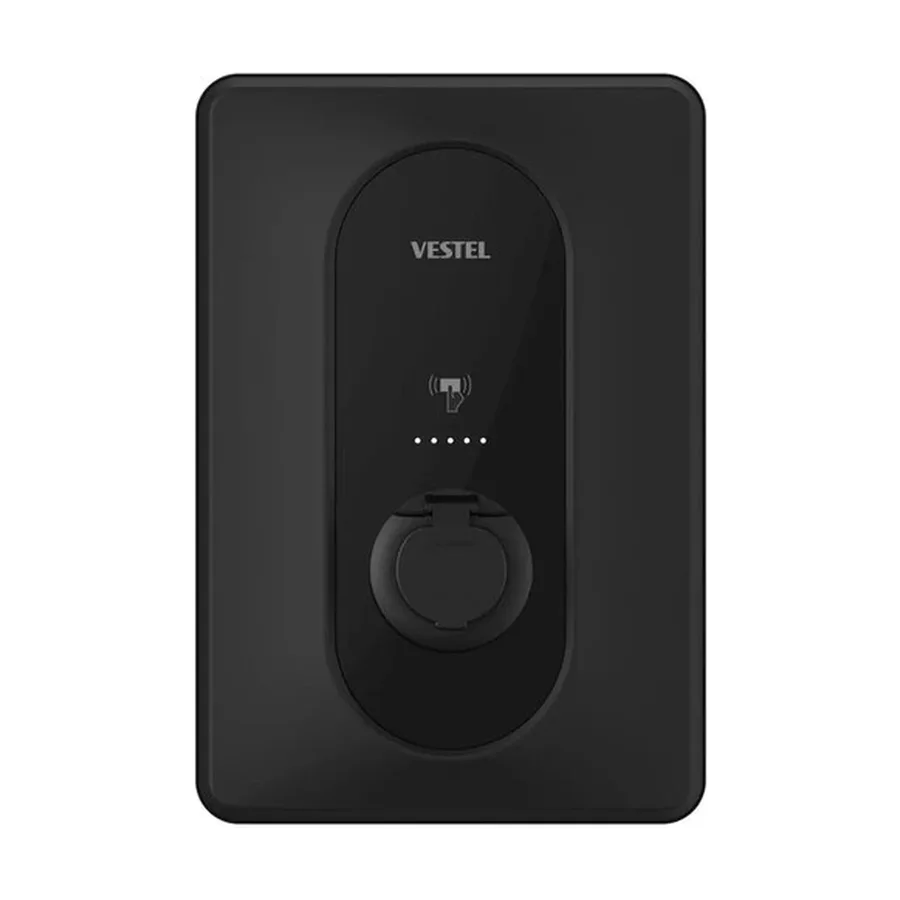 Entry-level wallboxVestel EVC04 | A simple, reliable charger with a Type 2 socket, up to 22 kW. It can also be installed on a single-phase connection, in which case it charges at up to 7.4 kW. It works without an app or cloud; it supports RFID card identification, so charging can be restricted to registered cards. Used with the car's own charging cable.The package includes 5 m of cabling in protective trunking and the IP65 protection box containing a residual current device (Type A RCD) and a miniature circuit breaker. | from HUF 219,000 |
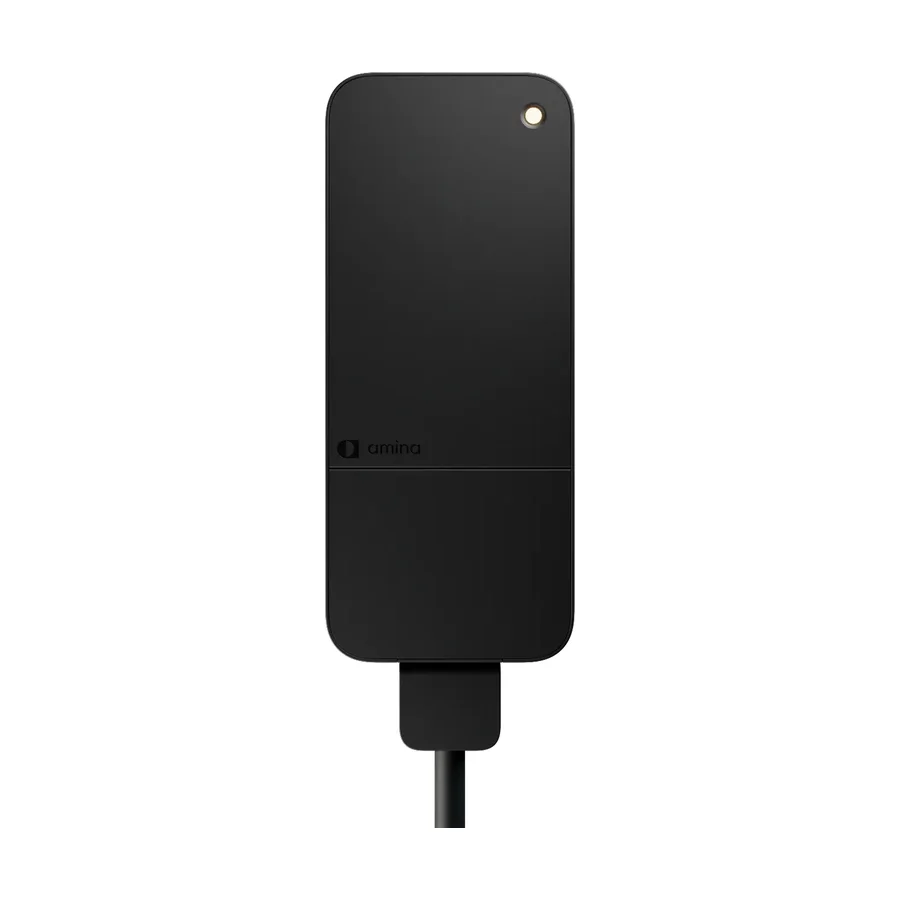 Smart-home-ready chargerAmina S | Developed and made in Norway, with a 5-year warranty. Easy to use on its own: it starts charging as soon as the car is plugged in, no app needed. It can later be integrated into a smart home hub with fully local control via the Zigbee protocol – no cloud, no internet. Up to 14 kW (3× 20 A). With an integrated 6 m Type 2 charging cable.The package includes 5 m of cabling in protective trunking and the IP65 protection box containing a residual current device (Type A RCD) and a miniature circuit breaker. | from HUF 299,000 |
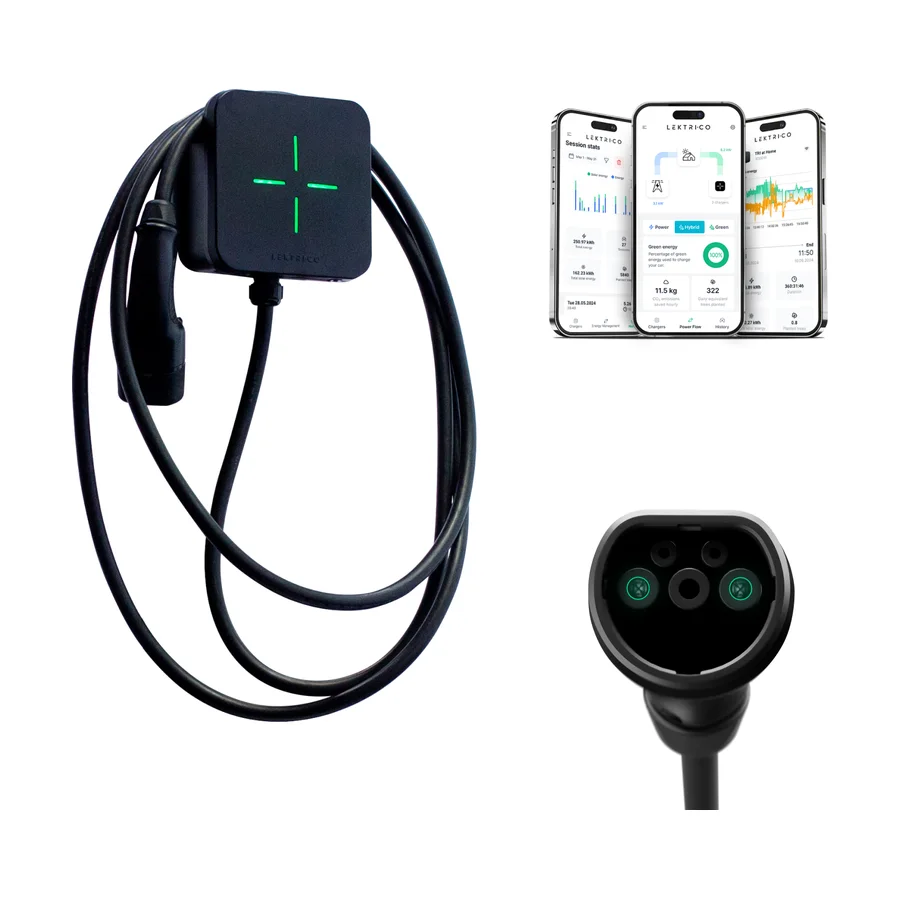 Single-phase smart chargerLektri.co ONE Safe | A smart charger for a single-phase connection, up to 7.4 kW (1× 32 A). It adjusts charging power to your solar production and works with several common inverters (Huawei, SolarEdge, Solax) even without a separate meter. It connects to your home network over WiFi: with its own phone app you can start, schedule and monitor charging from anywhere, and it can also be controlled locally without internet. With an integrated 5 m Type 2 charging cable.The package includes 5 m of cabling in protective trunking and the IP65 protection box containing a single-phase residual current device (Type A RCD) and a miniature circuit breaker. | from HUF 319,000 |
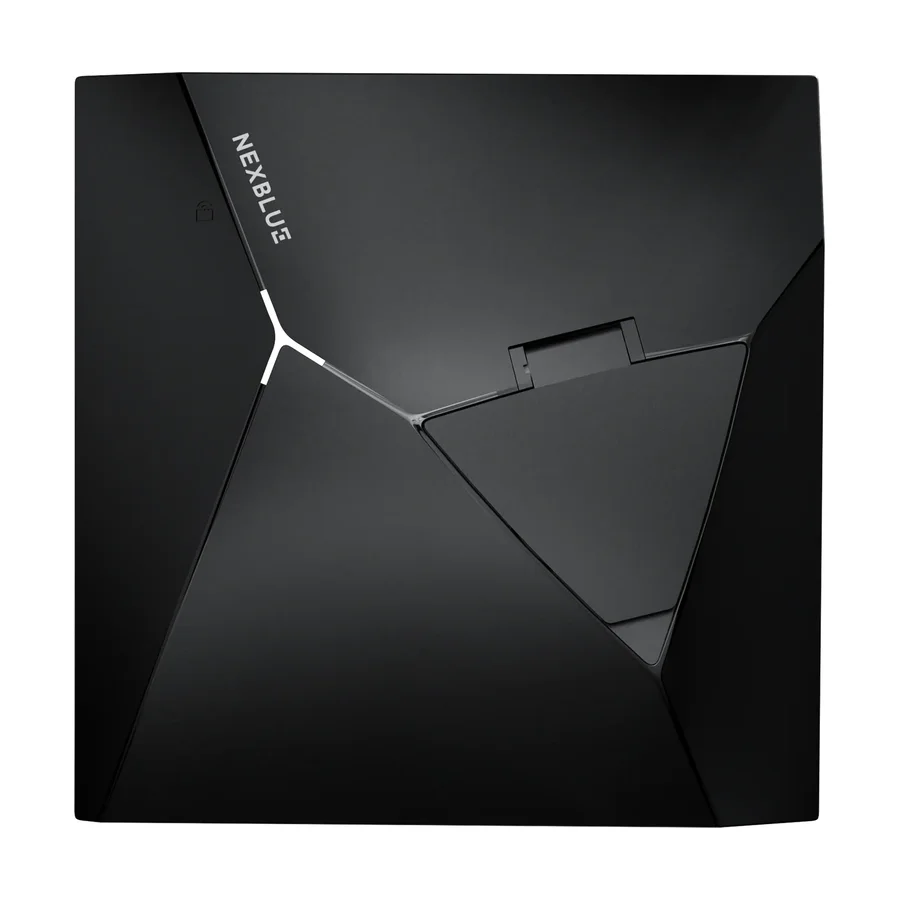 Smart wallboxNexBlue Edge 2 | A Swedish smart charger with a 5-year warranty. It connects to your home network over WiFi: with its own phone app you can start, schedule and monitor charging from anywhere, and it can also be integrated into a smart home hub. V2X-ready: the hardware is prepared for bidirectional charging (V2H and V2G) – in other words, for the car's battery to be able to power the house or the grid in the future. Automatic 1/3-phase switching. With a Type 2 socket: used with the car's own charging cable.The package includes 5 m of cabling in protective trunking and the IP65 protection box containing a residual current device (Type A RCD) and a miniature circuit breaker. | from HUF 329,000 |
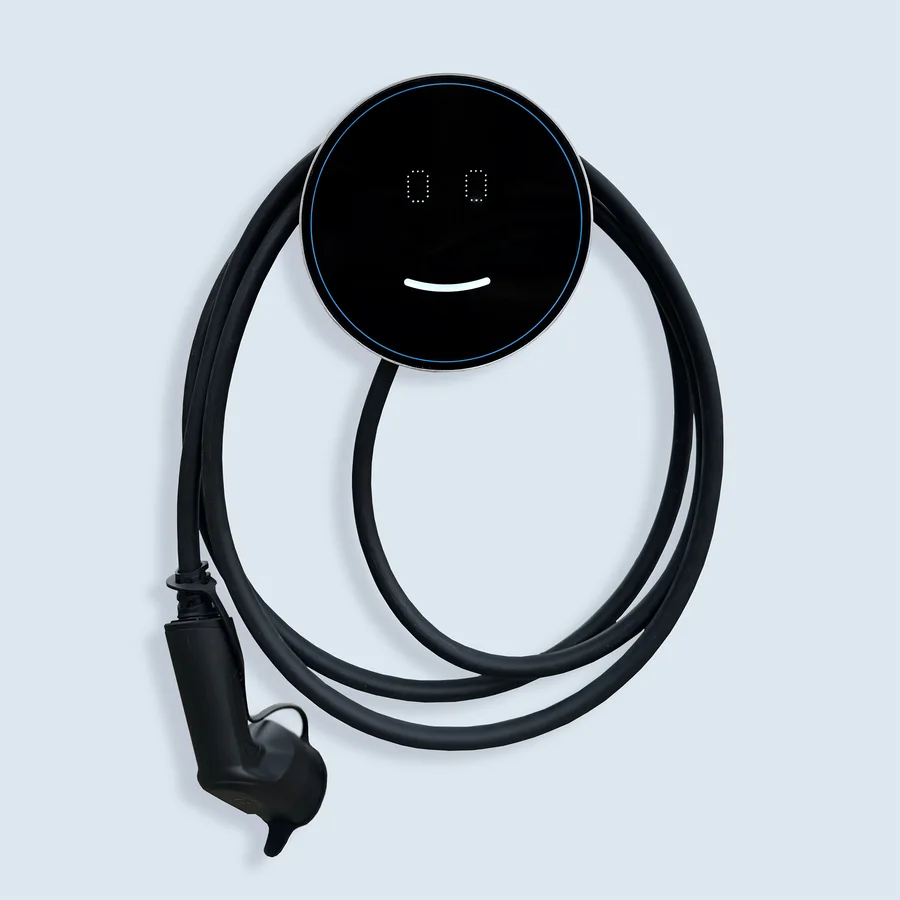 Premium design chargerVoltie | Exclusive design: a premium charger developed and made in Hungary, whose design has won both the iF Design Award 2025 and the Paris DNA Design Awards 2025 – a statement piece on a stylish façade or in a garage. With a WiFi or wired network connection and its own phone app, it can be controlled and monitored remotely. Local API, OCPP and Modbus connectivity, so it can also be integrated into a smart home hub and solar control. With an integrated 5 m Type 2 charging cable.The package includes 5 m of cabling in protective trunking and the IP65 protection box containing a residual current device (Type A RCD) and a miniature circuit breaker. | |
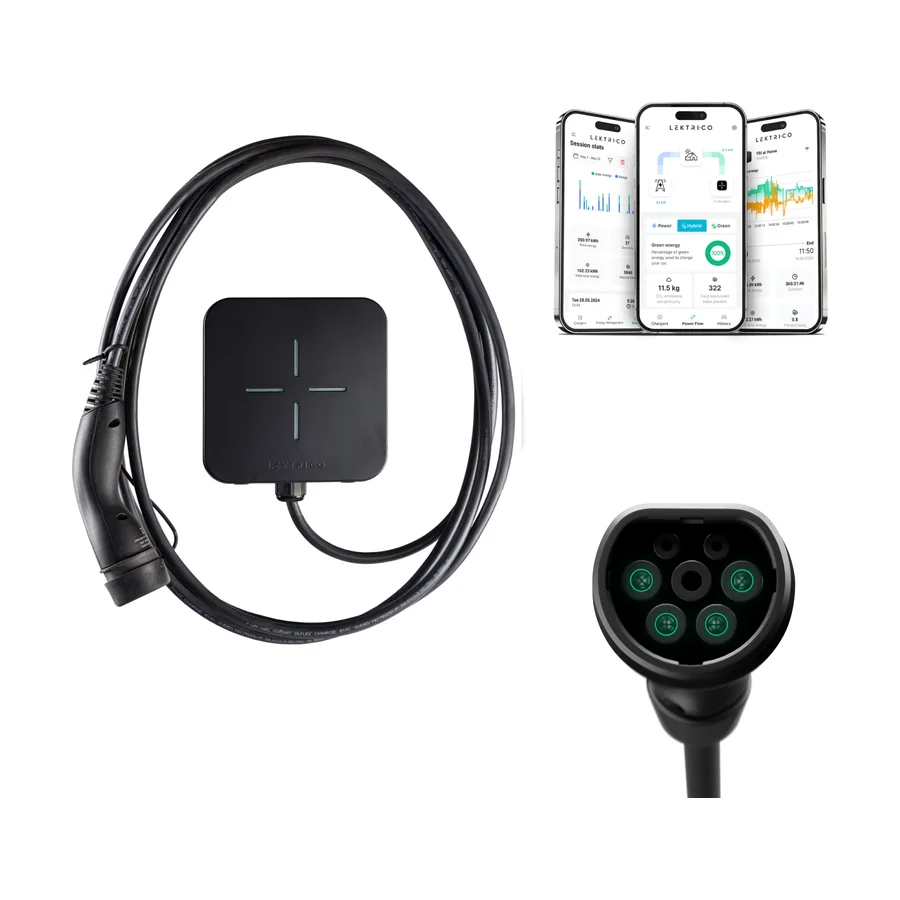 Smart charging that follows your solar outputLektri.co TRI Safe | A smart charger that adjusts charging power to your solar production and works with several common inverters (Huawei, SolarEdge, Solax) even without a separate meter. It connects to your home network over WiFi: with its own phone app you can start, schedule and monitor charging from anywhere, and it can also be controlled locally without internet. Automatic 1/3-phase switching. With an integrated 5 m Type 2 charging cable.The package includes 5 m of cabling in protective trunking and the IP65 protection box containing a residual current device (Type A RCD) and a miniature circuit breaker. | from HUF 359,000 |
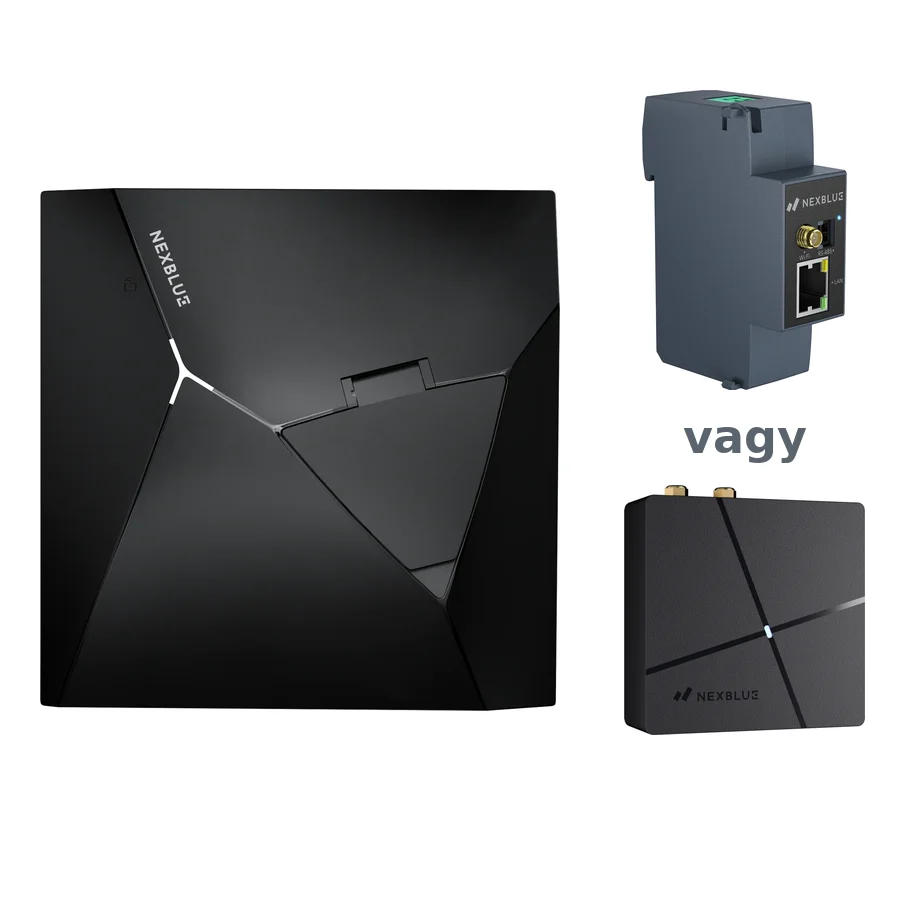 Smart charging that adapts to your home and your solarNexBlue Edge 2 + Zen power meter | A Swedish smart charger with a 5-year warranty, V2X-ready (the hardware is prepared for bidirectional charging: V2H, V2G). With the Zen power meter included in the package, charging power adapts to both the house's total consumption and the solar surplus at the same time. It works with any solar inverter, because the Zen measures the power flowing into the house and fed back into the grid at the grid connection point. WiFi, wired network and built-in mobile data (4G) connectivity, its own phone app; it can also be integrated into a smart home hub. Automatic 1/3-phase switching. A Type 2 socket instead of a fixed cable: used with the car's own charging cable.The package includes 5 m of cabling in protective trunking and the IP65 protection box containing a residual current device (Type A RCD) and a miniature circuit breaker. | from HUF 359,000 |
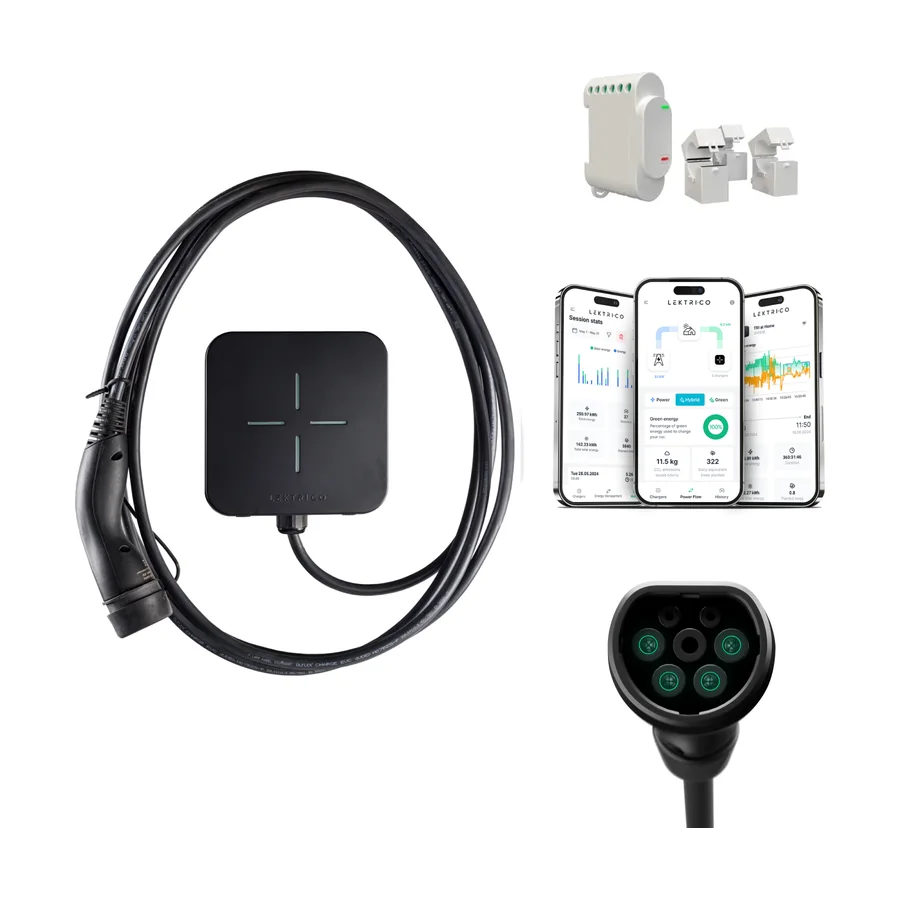 Smart charging that adapts to your home and your solarLektri.co TRI EM | Works with any solar inverter: the three-phase energy meter included in the package measures the power flowing into the house and fed back into the grid at the supply point, so charging adapts to both the house's consumption and the solar surplus. WiFi connectivity, its own phone app, and local control without internet. Automatic 1/3-phase switching. With an integrated 5 m Type 2 charging cable.The package includes 5 m of cabling in protective trunking and the IP65 protection box containing a residual current device (Type A RCD) and a miniature circuit breaker. | from HUF 439,000 |
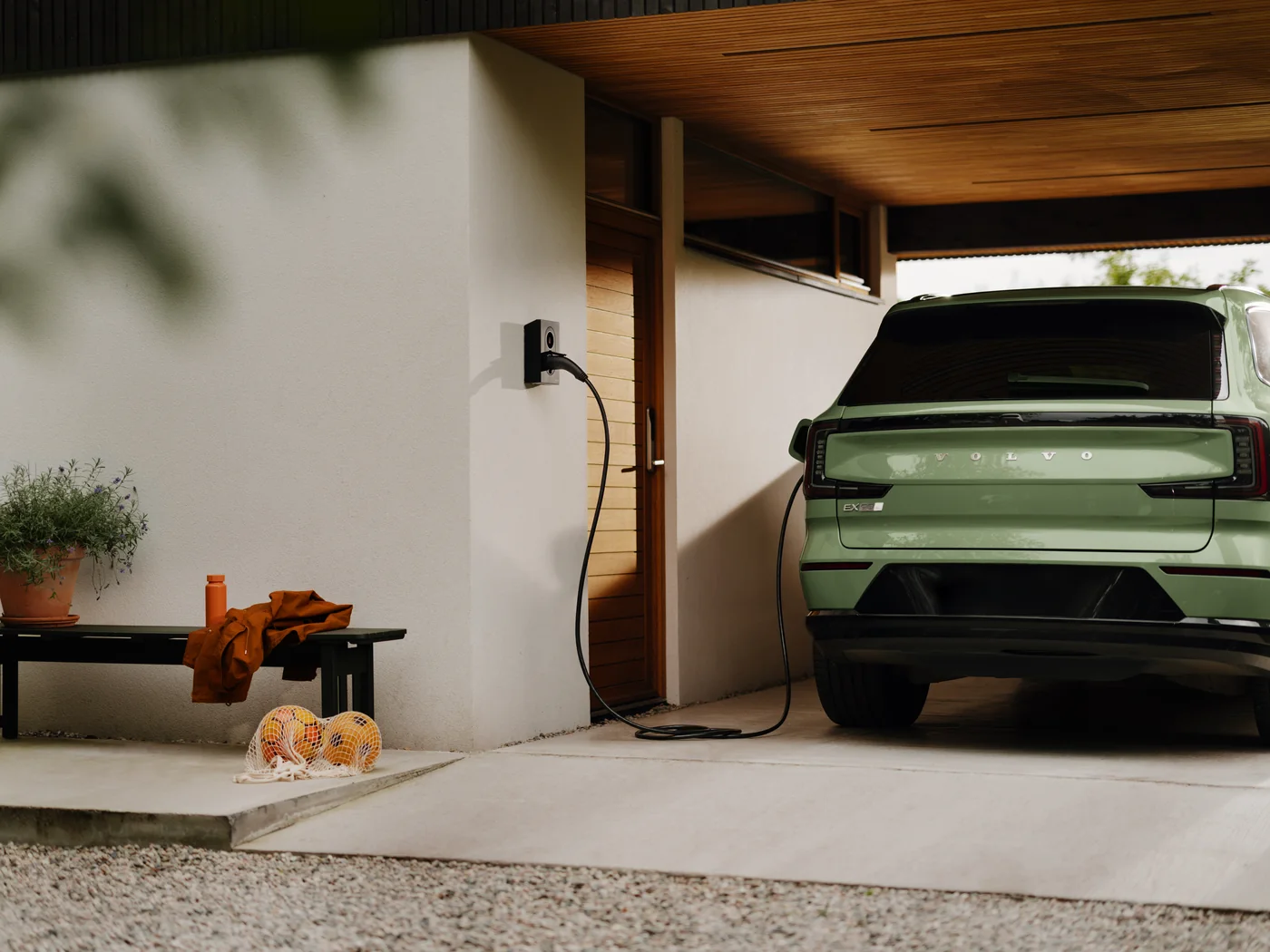 Smart charger with certified meteringZaptec Go 2 | A Norwegian smart charger with a built-in MID-certified energy meter (Class B): the energy delivered is measured to a certified standard and shown on the display, so, for example, home charging of a company car can be settled accurately with the employer. V2X-ready: the hardware is prepared for bidirectional charging (V2G, V2H), which the manufacturer will enable with a software update; a car that supports it is also needed. WiFi connectivity and its own phone app. Automatic 1/3-phase switching, up to 22 kW. With a Type 2 socket: used with the car's own charging cable.The package includes 5 m of cabling in protective trunking and the IP65 protection box containing a residual current device (Type A RCD) and a miniature circuit breaker. | from HUF 449,000 |
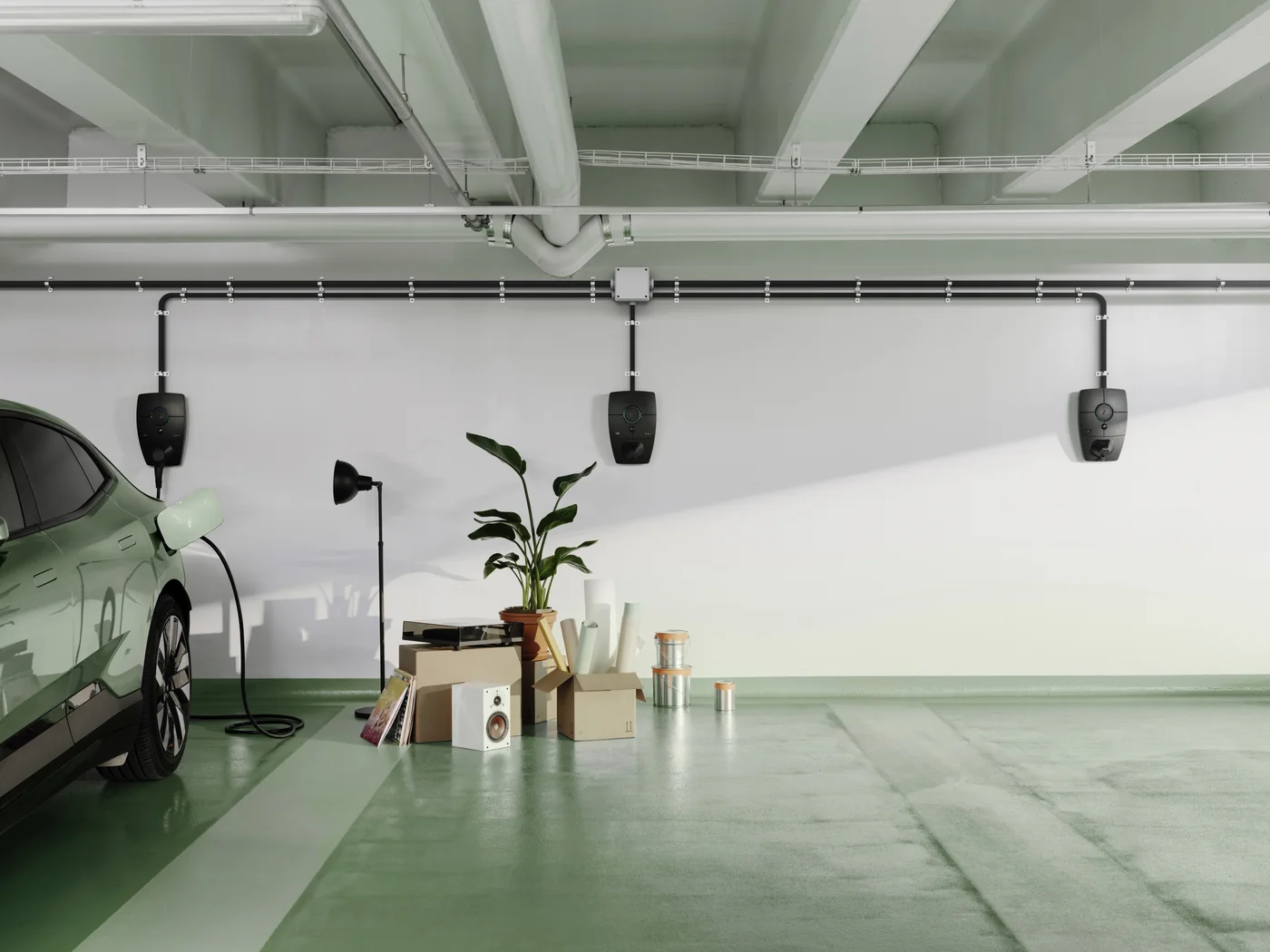 Multiple charging pointsApartment building or business | Power sharing, user identification, metering, record-keeping and expandable infrastructure | from HUF 300,000 / charger |
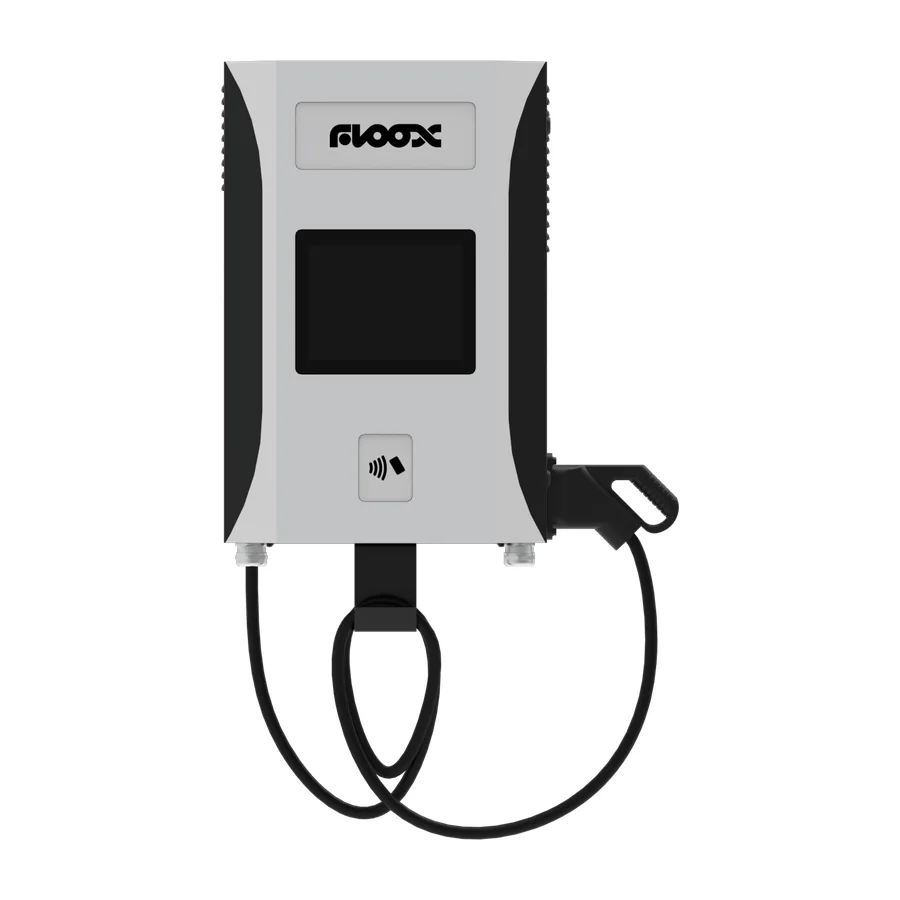 Rapid charger (DC)Floox Lyra Lite 30/40 kW | Spanish-designed and manufactured, compact, wall-mounted DC rapid charger for business sites, fleets and accommodation. The 30 kW version runs on a 3×63 A supply, the 40 kW version on 3×80 A; the 30 kW version can also be limited to 20 kW. RFID authentication, touchscreen, 5 m CCS2 charging cable.Requirement: a circuit already in place in the distribution board. Includes 5 m of cabling, a premium-grade residual current device in an IP65 enclosure, mounting, commissioning and a test report. For larger 60–120 kW chargers we provide a custom quote. | 30 kW: from HUF 3,199,00040 kW: from HUF 3,349,000+ VAT |
Dynamic load management and solar integration
Using a meter installed at the main meter, the charger can continuously see the property’s consumption and give the spare capacity to the car. If a large appliance switches on, charging can scale back and then speed up again later. With several charging points, the same logic distributes the available power between them.
If data from the inverter or the grid meter is accessible, charging can also be matched to the surplus generated on site. We always check compatibility based on the exact inverter, meter and charger models.

Which brands do we work with – and why?
We favour open protocols, the option of local control, long-term manufacturer support and load management that suits the specific use.
Scroll or swipe sideways

A premium charger developed and made in Hungary, which we recommend for high-end homes, apartment buildings and guest accommodation. OCPP 1.6J, local API and Modbus connectivity all at once, with an optional certified (MID) meter and an operator dashboard – so it is equally suited to smart home integration and multi-user billing. A Hungarian development team and local support.

Smart chargers for family houses, headquartered in Timișoara, developed and manufactured in the EU; the charger can be controlled over the local network without the cloud, so load management and solar integration keep running without internet. 7.4 and 22 kW versions, an energy-meter version for dynamic load management, and OCPP support towards management systems. Excellent value for money. The same manufacturer also offers DC fast chargers for business sites: single- and dual-connector charging pedestals up to several hundred kW, with OCPP management and the option of paid guest charging – so on a business site, the AC charging points and the DC fast charger can be run as one system, from one piece of software.

A Swedish family of smart chargers that scales on the same logic from a single charger to an apartment building car park. The chargers coordinate power with each other over a local radio mesh – balancing keeps running without internet – and the Zen power meter matches charging to the main fuse of the house or building and to solar production, with automatic phase switching. Socket version, OCPP 1.6J and 2.0.1 directly from the charger to any management system, a certified (MID) metering version for billing, a housing rated up to +50 °C, and a 5-year warranty. We recommend it where multiple charging points, solar and billing come together – or simply when you need a good-value, future-proof socketed charger.

A Norwegian charger family for homes, apartment buildings and company car parks. The Go and Go 2 suit smaller installations; the Go 2 also offers MID-certified metering and charging that can follow solar surplus. The Pro is built for expandable, shared systems, with dynamic load and phase balancing and central monitoring. We choose the right model and billing method to suit the site.

A Barcelona-based manufacturer of DC rapid chargers for business sites, fleets and accommodation. The wall-mounted Lyra Lite comes in 30 or 40 kW and can be limited to 20 kW in software, so it can already run on a 3×63 A supply. The Lyra is a 60–80 kW unit with two connectors, the Lynx a 120–240 kW pedestal unit. OCPP-compatible, with RFID authentication and a touchscreen, and card payment if needed. We recommend it where a lot of energy has to be delivered during short stops.

For when the lowest upfront cost is the main priority. A Turkish manufacturer with its own development and production; a sturdy wallbox in 7.4 and 22 kW versions, with a socket or tethered cable, RFID identification and OCPP 1.6J, and optionally a MID meter. A simple, reliable entry-level charger – load management can be added with an external meter. The same manufacturer also offers DC fast chargers for business sites, fleets and public charging points.

A popular wallbox among Tesla owners. With its Type 2 connector it charges any electric car, updates over Wi-Fi and shares power across up to six units; in the Tesla app, vehicle charging and the charger are visible in one place. It can also be integrated into a smart home system. You get the best price in the Tesla app, so it's worth buying it directly there – we then take care of the installation and integration.
We can also configure an existing charger from another manufacturer and add load management and integration, provided it supports the necessary protocols – OCPP, Modbus or a documented API. On request, we also offer a portable smart charger with a CEE plug, for use with a properly installed CEE socket – for a holiday home, a rented flat, or anyone who takes their charger between two locations.
Charger and smart home together
An EV charger is one of the largest controllable loads in a property, which makes it a natural part of energy management. Charging can be matched to the current solar surplus, the electricity tariff and the operation of other large appliances. At the same time, we set up the basic operation so that charging the car does not depend unnecessarily on the smart home hub or the internet.
Frequently asked questions
What size charger do I need?
The car’s on-board charger sets the limit: most European models accept 11 kW on three phases, some 7.4 kW on a single phase, and only a smaller share 22 kW. For home use, 11 kW is the most common choice – more than enough for everyday driving. At the survey, we start from your car model and your contracted capacity.
Can it be done without increasing the capacity?
At many sites, yes, with dynamic load management: the charger only draws as much power as the rest of the house is currently leaving free. With a 3×16 A connection, the charger scales back at peak times, and at night, when the house uses little, it can take a larger share of the spare capacity. With a single-phase connection, you can charge with a single-phase charger at lower power; if the contracted capacity is very low, however, an increase is unavoidable – we can tell you this with confidence after the survey.
Can I use surplus solar power?
Yes, if production and consumption data is available from the inverter or the grid meter and the charger supports this kind of control. Lektri.co (directly with a compatible inverter, even without a meter), NexBlue and Voltie do; Amina does so via the smart home hub, and the Tesla Wall Connector alongside a Powerwall. We check compatibility based on the exact inverter and charger models and your billing arrangement.
Does it need internet?
Not for charging: the charger communicates with the car on its own, and on most chargers load management gets its data locally from the meter; where it is cloud-based, we point this out in the quote. The app, remote start, firmware updates and OCPP-based billing do need a network connection. We put the charger on a separate network for smart devices so that it cannot see your personal devices.
Can more than one car be charged?
Yes. Power can be shared between two chargers statically or dynamically. In apartment building and company car parks, Voltie and NexBlue can both manage several charging points from a shared supply, with certified metering per user – both locally, without internet. Where data cabling isn’t possible in the garage, we also have a solution that communicates over the power cable. Where many charging points are needed – an underground car park, a fleet car park, an office building – we recommend the Zaptec system: it offers one of the most advanced dynamic load balancing systems on the market, and its cabling is designed specifically for multi-point installations, which makes it cheaper to install.
Does our company need a DC fast charger?
Only if your vehicles charge during the day with short dwell times, or if large-battery commercial vehicles need to be charged between shifts. If the fleet is parked at the site overnight, several AC charging points with dynamic load management deliver the same result for a fraction of the cost. A DC charging pedestal together with the grid connection it needs can cost up to an order of magnitude more. So at the survey we first look at dwell times and contracted capacity, and only then talk about DC.
How can billing be handled in an apartment building?
In two ways: either the charger is supplied from behind the apartment’s own electricity meter, or – usually the better solution – it runs from a shared supply with a certified (MID) meter built into the charger; in that case the operator portal bills the kWh to each user.
What is the difference between AC and DC charging?
Wallboxes (7.4–22 kW) deliver energy as alternating current (AC), and the car’s on-board charger converts it to direct current for the battery. With AC charging, the speed is therefore limited not only by the wallbox but also by the on-board charger (7.4 or 11 kW on many models). A DC fast charger (from 30 kW) skips this step: it charges the battery directly with direct current, so the on-board charger’s rating doesn’t matter – the limit is set by the battery and the charger together.
What are the on-board charger and the on-board inverter?
The battery stores direct current (DC), but the electric motor runs on alternating current (AC). The on-board charger converts AC mains power to DC when charging; the on-board inverter produces AC for the motor from the battery’s DC while driving (and works the other way round when braking, to recover energy). So for AC charging at home, the on-board charger’s power rating is what matters – look for “on-board charger” on your car’s spec sheet.
Which connector do I need?
In Europe, Type 2 is the standard for AC charging (CCS2 for DC); every AC charger we install comes with it. A tethered (fixed-cable) version is more convenient, while a socketed version (used with your own cable) is more flexible and cheaper from several manufacturers; shared chargers in apartment buildings are usually socketed.
Who can carry out the installation, and will I get documentation?
Connecting the charger is skilled electrical work, carried out by an electrician: a dedicated circuit, a correctly sized cable and residual current protection to the standard. The initial electrical safety inspection (under MSZ HD 60364-6, the Hungarian standard) is carried out by an authorised inspector, and we hand over the report for every installation – you may need it for the warranty and for your insurer. If a capacity increase is needed, we also handle the application to the electricity distributor.
What happens if the charger breaks down?
The chargers are covered by the manufacturer’s warranty, and the installation by our own warranty. Most networked chargers can be diagnosed remotely, so we can fix some faults without a site visit; in other cases, we book an appointment as part of Operation and service.


